Be yourself; Everyone else is already taken.
— Oscar Wilde.
This is the first post on my new blog. I’m just getting this new blog going, so stay tuned for more. Subscribe below to get notified when I post new updates.
Be yourself; Everyone else is already taken.
— Oscar Wilde.
This is the first post on my new blog. I’m just getting this new blog going, so stay tuned for more. Subscribe below to get notified when I post new updates.


With today’s technological advancements and integration, it is hard to find someone who doesn’t use or know of social media. Social media is a large portion of society’s tool for communication, content sharing, and networking. Most people use social media for personal use, and their content can be private or public depending on your career, personality, and brand. The amount of social media usage varies from person to person, however, all the actions that you take, (social media usage or non-usage) describes the type of person you are. Especially to companies you’ve applied to who are trying to figure out if you are a good fit with them. Popular social media nowadays include Facebook, Instagram, Twitter, and Youtube. There are plenty of others that have a large presence but those are kingpins of social media as of right now. Multiple consumers generally have one of every social media to stay up-to-date and connected on different platforms.
You may think that social media shouldn’t be associated with business, however, in today’s day and age social media has one of the biggest impacts on a business’s success. A lot of businesses are on social media and it is one of the largest communication tools between consumers and companies. Companies like Amazon and Facebook are prime examples. They post consistently and interactive with their consumers to maintain customer satisfaction. Companies also use social media as a means to build their brand, grow their business, create and distribute content, communicate and advertise, and gain insights. Different platforms offer different benefits, such as:
You can use social media to your advantage if you utilize it effectively and efficiently. You can have as many personal social media accounts as you’d like and post whatever you’d like (just be careful of what you post because employers are great at finding your profile). However, there is one growing social media that you should be aware of as a professional and take advantage of.
The main appliance of this platform is to professionally network and connect. Similar to Facebook, it offers you an option to post, create, and share content. However, remember, everything needs to maintain a level of professionalism. Companies post jobs here and job seekers can post their resume and apply on LinkedIn. It is mutually beneficial to you and the company when you network with companies and recruiters. Since you are interested in applying to their job listing, connecting to them beforehand is beneficial because then they remember you. There is a common saying where people tend to hire people they like and know. You get to know more about the company and the company gets to know more about you and who you are and if you are a potential hire. You should take advantage of this platform and communicate your activities and achievements to companies and recruiters. Post engaging content also brings traffic to your profile. With an active and up-to-date LinkedIn, you have the advantage (against a similar competitor for the job application).
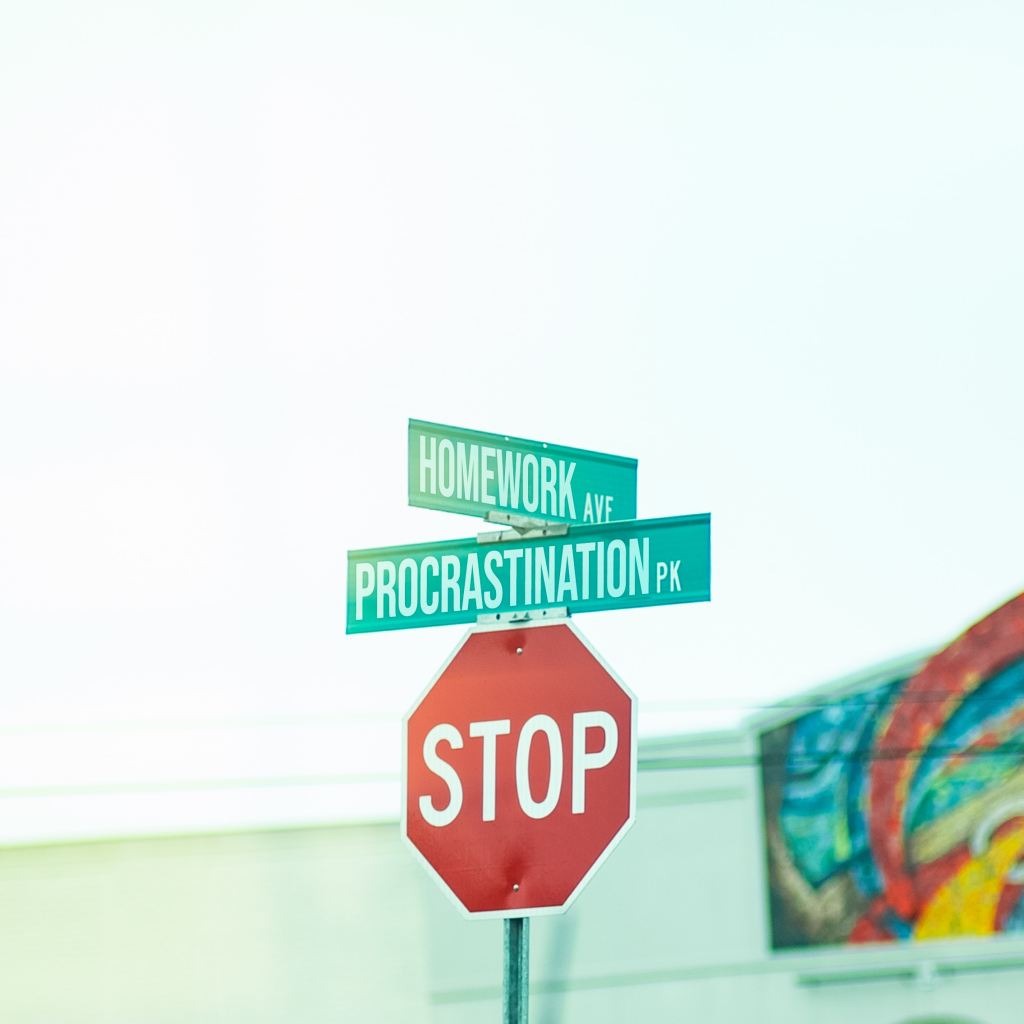
Everyone has experienced procrastination in one way or another. Whether it is you or someone you know that is seemingly always has a “reason” why they have not accomplished a specific task in a timely manner. “Something came up,” “I meant to start/finish that project,” “I have just been so busy lately” are all sentiments we have heard muttered from either ourselves or people we know, and usually are not entirely true of why obligations are not getting finished. This is certainly closely related to another supervisor pet peeve: constantly being tardy/late – especially no shows. Teachers and bosses alike, have heard every excuse in the book of why employees/students are late, can’t come in that day, or why they did not make the prior commitment. This is a serious problem that should be nipped in the bud as soon as possible because it will eventually lead to termination of employment or failure of a course.

Some people master barely getting by using these short cuts and can sometimes circumnavigate being fired and find other ways to pass classes, but this is only a temporary fix to a deeper problem. Though this may allow you to plateau in a simple class or basic job but will not lead to a meaningful, successful career and grow through your industry. The first steps to being successful in your field are always showing respect for not only yourself but your peers and supervisors by never being late and always having your responsibilities accomplished in a timely manner – early if possible. Knowing this key is only have the battle, training yourself to execute this principle is a lot harder; especially when you are feeling burned out, tired, or easily distracted with more fun and attractive alternatives.

To assist you with becoming more successful and changing the bad habits of being unpunctual and procrastinating, you will have to start by changing your mind-set. You will have to be cognizant of time management especially if you have a really busy schedule. Having alarms, reminders, notes and any other prompts to get you going on a task or get you leaving for a prior commitment on time are all great tools to help get you on a solid routine. As of right now, these bad habits are routine, which may be hard to break but using these tools can make it much easier. Eventually, these good habits will become as automatic as the originally formed bad habits with conscious work being done.
10 Tips to think about when creating the new routine:

If you can keep these tips in your mind throughout the day you will eventually form positive and productive routines that will lead you to never procrastinating or being late again. Being on time and getting tasks done promptly is certainly a precursor to success with the opposite also being true. Talking with many supervisors and teachers have stated regularly that from their experiences, success always seems to allude those who cannot follow these simple concepts and end up repeating being unpunctual and procrastinating.

Hope these tips help you break those unbecoming habits and get you on the road to successful routines!
Follow UH Digital Media Blog for more helpful tips like these.
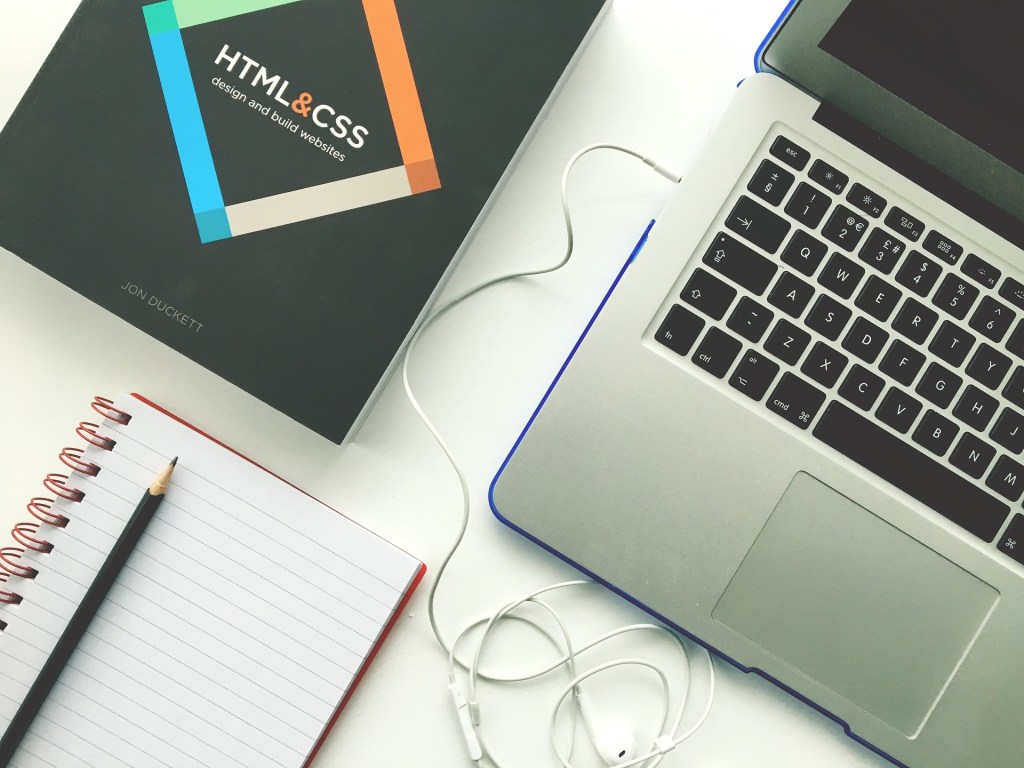
Web Development and Design are two elements that heavily rely on one another to create beautiful and fully functioning websites. Understanding the key roles defined by each can help you decide which path suits your skills and characteristics. Web developers are often considered to be logical thinkers, or more left-brained because they have to have a passion for problem-solving and attention to detail. Web Designers are often considered more creative and artistic or right-brained.
Pursuing a Digital Media Degree in eMedia can be an exciting and nerve-racking journey. The program exposes students to both web development and design. However, it can be difficult to decide which path you want to take after graduation. Having a fundamental understanding of these roles will help you choose when the time comes.
Defining Web Development vs. Web Design
Web Development- responsible for the backend functions of a website ensuring it runs smoothly. Web Developers are programmers responsible for the technical front and back end functions of a website.
Web Design- responsible for the visual appeal of a website and ensuring it is aesthetically pleasing to the viewer. Web designers deal with the front end and user experience functions of a website.
Tools Used
Although web development and design work interchangeably, the skills needed for both greatly differ. Web development is focused on the logical and technical side of the spectrum. Its counterpart, web design, requires creativity and graphic design knowledge.
Web Developers Key Programming Tools
Hypertext Mark-Up Language (HTML5): Provides the backbone of a website by defining the headers, ordered and unordered lists, and paragraphs
Cascading Style Sheets(CSS): Organizes the layout and appearance of a website such as an element size & spacing and font family and color.
PHP: Used in back-end development and assists in the web sites reaction to a user.
Javascript: Controls the behavior of a website. Essential for loading and transitions or animation responses from user clicks and countless other tasks.
Web Designer Tools
Adobe Photoshop & Illustrator: Design software used to edit photos, create layouts, illustrate, and design graphics.
InVision Studio: interface for UI design that has many features to help designers create interface prototypes.
Adobe XD: Wireframe, prototype, and vector-based tool for web designers
Portfolios
Throughout your pursuit of a DIGM degree, you work towards making a compelling portfolio for your senior year. Understanding what requirements your employers need from you as a potential web developer or designer in their company is crucial. It’s important that you build a compelling and fully functioning portfolio to showcase your skills.
4 Tips for your eMedia Portfolio
Modern UI Design:
It’s important to showcase your personality within your portfolio. Your landing page is the online presence of yourself. The overall look of your website will showcase the skills you have in design and attracting customers. Your portfolio doesn’t have to be overly elaborate, however, it shows just enough to make potential employers want to get in touch with you.
Hosting & Domain Name
When you’re designing your portfolio, taking short cuts will significantly limit your employment options. Don’t build your portfolio using an online website builder that will host your portfolio. As a web designer and developer, you must show that you’re responsible for doing your work. Having a professional domain name and a low-cost hosting platform is attainable. There are many low-cost domain names and free hosting platforms such as Github.
Simplicity is Key
Show your skills but don’t overwhelm your audience. Have a “Showcase”, “Project”, “About”, and “Contact” section on your portfolio. Keep the number of pages you have on your site to no more than 4-5 and focus on optimizing the design, layout, and application of these pages.
Choose Projects Wisley
Be picky when your choosing which projects to put on your portfolio. Don’t simply choose projects to fill space. If you only have a few noteworthy projects, thats okay. Work on showing your best work and take extra time to improve your work. As a potential web designer or developer, you should have one or more live projects. You should have a link within your portfolio that will take viewers to your project and another button linking the code. If you don’t have any live projects, work on making a few to showcase your talents. A few ideas include: making a responsive webpage or designing a website for a client.
Showcase Who you Are
Your portfolio should show who you are and what you’re capable of doing. You don’t have to have the most elaborate portfolio to attract employers. You should show that you’re passionate, dedicated, and skilled in your field. Don’t overthink how you want to present yourself and do your best to show what you’re capable of and it will lead to opportunities.
Pursuing a degree in eMedia can lead to a very rewarding career. Having a clear understanding of some of the options that are available to you is very important. Don’t wait to start exploring which path you would like to take or if you want to pursue both. Now that some of the specifications about web development and design have been defined, you can start thinking about what skills you want to highlight in your portfolio.
Sources: https://www.computerscience.org/careers/web-developer/
https://careerfoundry.com/en/blog/web-development/what-is-the-difference-between-a-web-developer-and-a-web-designer/
https://www.creativebloq.com/features/best-web-design-toolshttps://medium.com/@traversymedia/10-web-developer-portfolio-tips-384491d408a8

If you have any interest in owning a custom printing business or you currently run a business that provides printing, then you’ll want to know about the company, Electronics for Imaging (EFI). EFI is a powerhouse when it comes to printing and producing products such as packaging, signage, textiles and personalized documents. They offer print professionals the option to easily run their business through their EFI printshop, an e-commerce website that lets you manually customize your site’s usability and print options to make the most profit from your products. They use wide-format inkjet printing, LED printers, VUTEk superwide digital inkjet printers and more. Their goal is to meet the needs of each print business by offering, “hardware, software, maintenance, support, educational services, and system integration”[1] all in one place. Some companies that benefit from the use of EFI printshop are creative agencies, label and packaging businesses, ceramic tile manufacturers and even the fashion and sportswear industries.

According to EFI’s website, over one-third of the world’s high-end print production is produced by EFI products and their inkjet printers create the signage for some of the world’s biggest events. Companies use EFI printing because they are known for reducing costs and increasing productivity using the latest technology. Their latest technologies and updates were introduced at the 19th annual EFI Connect conference held last January, according to the website, Printing Impressions[2], and they are described below as follows:
These new printing technologies will continue to change the way we view print production in the future and how we can maintain print companies. At the Connect conference, EFI CEO Guy Gecht said, “The new Print is all about putting spectacular images on essentially any material. With digital inkjet technology and automation, the new Print brings immense opportunity in the era of the fourth industrial revolution.”
EFI’s Connect conference also offers a helpful and thorough program that has hundreds of sessions that cover topics such as marketing, business management and technical software information for an array of print professionals who work with commercial print, graphics, signage and packaging. The conference is important to those in the industry because it offers in-depth training and education on challenges that print and packaging companies may face. “The conference is an ideal venue for open dialogue and idea exchange, giving customers a valuable opportunity to participate in educational sessions, receive hands-on experience, discuss industry trends, network with peers, voice their opinions and learn from others.”[3] If you want your print business to be profitable then you’ll have to dedicate time to learning about color management, digital inkjet printing, e-commerce and productivity software tools so that your business is on the right trajectory.

Commercial
printing companies can use the EFI website to locate what technology would be
best for their company and to better serve their customers. Their website
offers a “quick solution finder” that helps narrow down the choices of what
printer or software solutions is needed by selecting your industry, company size
and basic need fulfilment such as an imposition/layout or
e-commerce/web-to-print. One of their main sellers for commercial printing
companies is the brand, Fiery Innovation technologies, which is a long line of
products produced by EFI that offer a range of different features. Some of the
products and their features in the line include the, Fiery Command WorkStation,
which is a software built to manage all your printers from a single screen.
There is also Fiery Color & Imaging, which is said to, “provide state-of-the-art imaging technology, combined with
expert color management tools, to deliver high-quality images with the
accurate, consistent color customers want.” The technology behind this
product includes ICC-based color technology and delivers professional color quality.
Whatever it is your company is looking for and needs to make their print
business succeed, EFI printing is a company worth looking into because of the
range of products and services they offer, and their quality is unmatched. The
future of printing is bright because of innovative companies like EFI.
[1] https://www.efi.com/about-efi/who-is-efi/
[2] https://www.piworld.com/article/efi-customers-discover-new-age-digital-print-19th-annual-efi-connect-conference/
[3] https://www.piworld.com/article/efi-customers-discover-new-age-digital-print-19th-annual-efi-connect-conference/
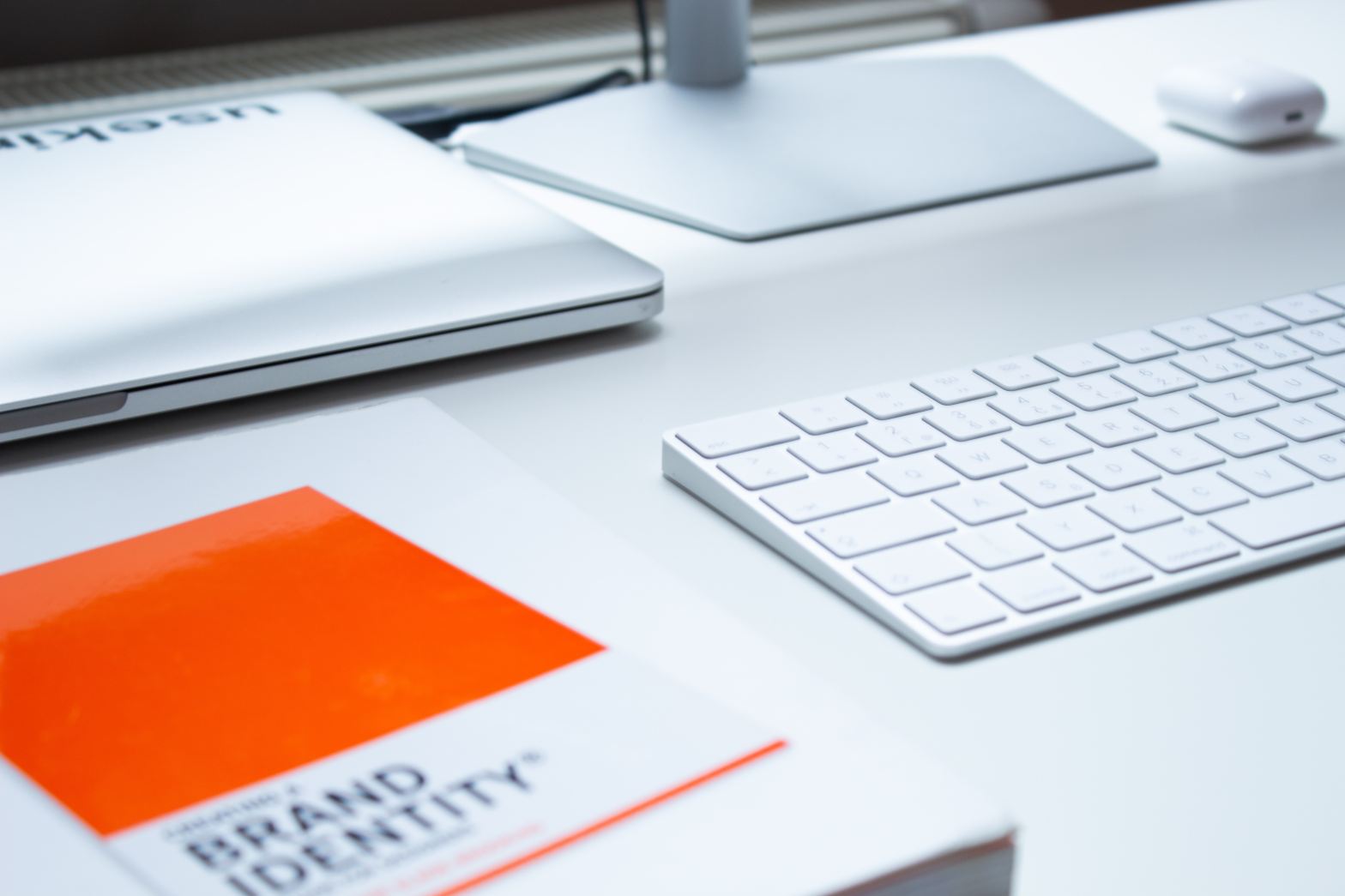
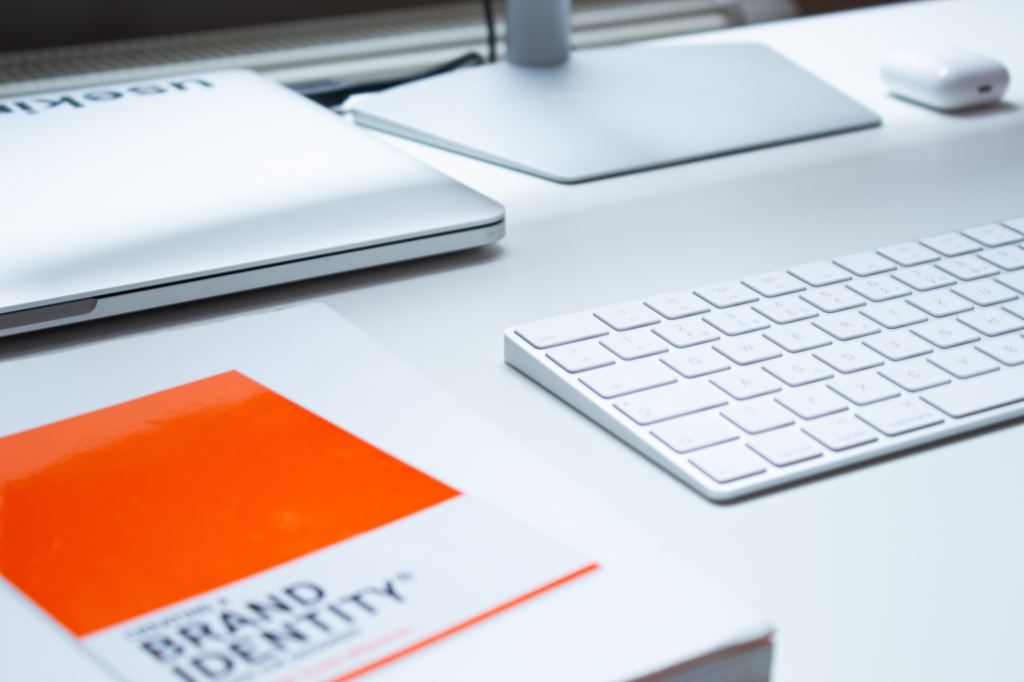
What exactly is a brand and how do you figure out what yours is? You know companies and products based on their brand but did you know that you also need a brand? As a person in any field, regardless of career or major, building a brand is key in establishing a name to yourself.
By definition, a brand is a product, service, or concept that distinguishes itself from its competitors due to its distinction, uniqueness, and differentiation. This is either through their name, term, design, symbol, colors, or any other feature that helps identify and associate itself to consumer’s perspectives. Building a personal brand is the first step because it will help distinguish yourself from other competitors. A personal brand is essentially your reputation (how other people view you) and your identity (how and what people associate you with). 3 key developments of a brand include development, consistency, and protection. Your brand needs to consider a variety of factors, such as, how you want to be remembered and how you would demonstrate or convey your brand (either tangible or intangible). It also needs to stay consistent across all media and uses. You should also consider how to protect your brand’s reputation once you’ve decided how you want to be remembered, by making decisions that coincide with your mission and message.

Now that you know what a brand is, we move onto the next step, developing your brand. There is a lot of thinking, trial and error, and evaluation before finalizing your brand so that it consists of your mission and message.
You now have an established brand, what’s the next step? The next step is to build a portfolio that shows tangible work that showcases your brand. Of course, you won’t have one just ready, you have to build it. Set time aside to do projects or use projects that you’ve already done, and assemble it to display it to customers how you want them to perceive it. You can make a portfolio however you’d like, whether it be online or printed out. It is solely up to you, but having both would be handy. You can make an online portfolio through free websites or purchase a domain. You can also print out your work by either sending it to a printing company or if you have the tools and print it yourself. Having a portfolio ready is the next step of enforcing and showcases your brand, so it is good to start one!
Landing That Desired Job After Graduation

https://pixabay.com/vectors/academia-academic-board-business-1293362/
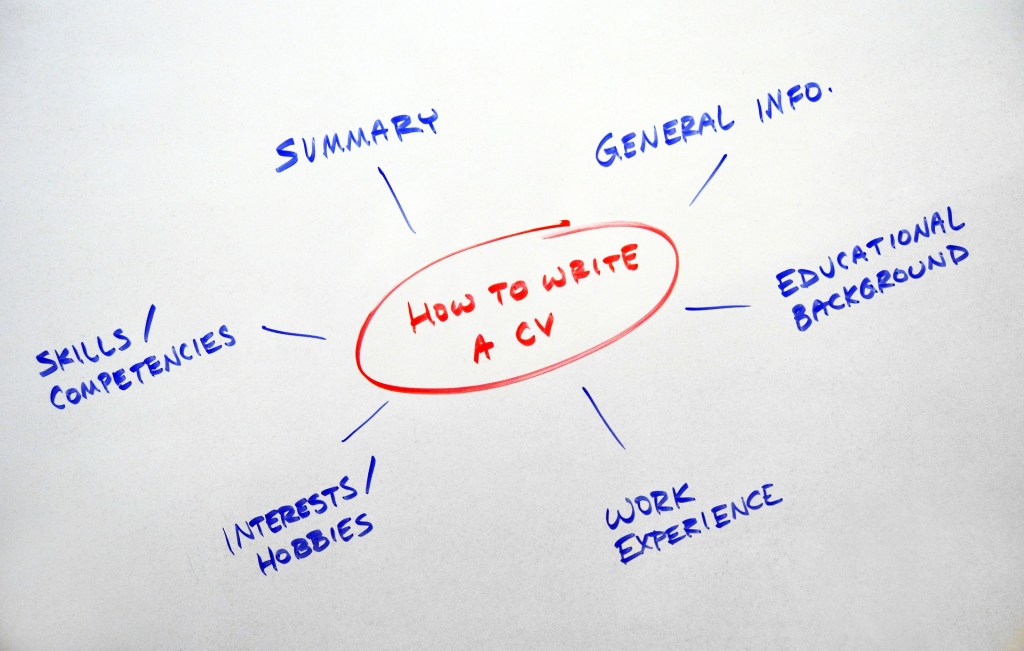
Finding work after graduation can be extremely daunting, stressful and even scary. Even after completing a program and receiving the relevant degree, many people feel that they are still missing that “certain something” that is keeping them from being a “professional” or “worthwhile candidate” to a company. This all being said, do not fret, these tips will get you prepared and confident enough to apply to that opening you have been eyeing and eventually nail that interview.
Preparation for Application & Interview
https://pixabay.com/photos/cv-flowchart-whiteboard-white-2578872/
Displaying the information and skills they are looking for –
A great first step would be to do a deep dive into the targeted company’s history, mission/vision statement, and what they are currently working on. This would certainly give you an edge in getting to know what they are looking for in a future employee and be able to frequently reference back to this newly acquired information throughout the entire process – from applying, throughout the interview. Getting to know the people whose desk your application may pass by during the application process, can also benefit you. Knowing exactly what they are looking for may make your application stand out among the hundreds and thousands of the others. Not only will it now stay out of the recycle bin, but now it will stay toward the top of the keeper pile. Making sure to look at the job posting and directly referencing the different skills, experience, and philosophies they value in the application and interview process will guarantee that you make an impression on HR or hiring manager.

https://unsplash.com/photos/OQMZwNd3ThU
How to implement this in the resume and cover letter:
https://pixabay.com/illustrations/portfolio-management-business-2428013/
Crafting specific portfolio selections –
Another tip would be to carefully craft a portfolio that demonstrates quality over quantity. In selecting which pieces to showcase, it would be best to explicitly pick entries that are as relevant as possible to the kind of work you are applying for. Only choose the very best work making sure to leave out anything that is just okay or unbecoming of what you are able to do. Whether it is an online or physical portfolio, make sure to make it as easy to navigate as possible by having links to jump to specific areas on online portfolios or having tabs to be able to turn right to the sections for physical portfolios. It is always best to choose a few great pieces than possibly soiling the whole selection by choosing a handful of pieces where a few are not up to par with the others. Those few sour pieces almost always seem to be the ones judged the most and leave the biggest impression despite how many great pieces are interwoven in between. Basically, give them a taste that will make them want to purchase the whole meal.
Nailing the interview

https://pixabay.com/illustrations/man-suit-job-interview-2091865/
Dress and speak like a professional –
There are sayings like “Dress to impress” or “Dress for the position you want, not the position you currently have,” that illustrate how important appearance is. This is usually the first thing you notice about a person and whether they take care of themselves can drastically alter how your initial judgement to them is. Despite this sounding superficial, it is true none the less and should always be at the forefront of your mind when being seen among your industry peers. Simply put, if you don’t dress like a professional, no one will treat you like one. Moving beyond your appearance, make sure you are well versed in hospitality when it comes to how you enter the office all the way up to sitting down for the interview. Speaking, walking, standing, sitting, and even the way you are looking at people can all be indicators of whether people will like and take to you favorably.

https://unsplash.com/photos/jdTtkmr1axk
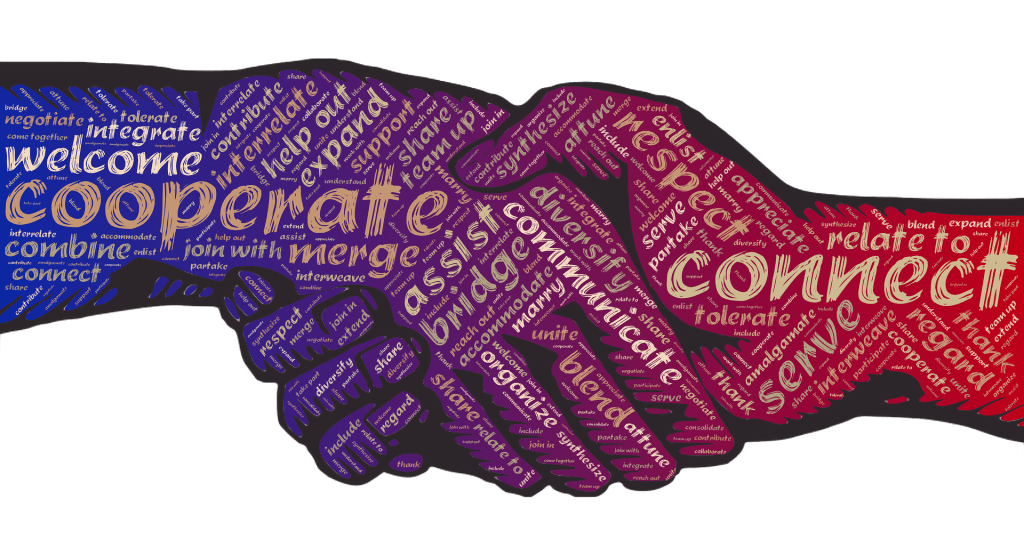
Practice these good manners:
https://pixabay.com/illustrations/handshake-regard-cooperate-connect-2009195/
Materials to bring into Interview –
Beyond bringing in your beautiful and carefully crafted portfolio, there are several other documents you will want to have during your interview. Having a few extra resumes on hand at the interview can certainly be helpful if for some reason they were unable to pull yours up ahead of time or if there are multiple people who have not seen it yet. Another document to have present at the interview is a list of questions. These questions can be about the job, the company, scheduling, benefits, tasks, etc. This shows your interest in the job and the company as well as demonstrate a sense of professionalism and self-worth.
In Summary
https://unsplash.com/photos/oqStl2L5oxI
Now, when you see that job that you would love but feel you may not be ready, just go through these different tips and you will be properly prepared to nail each part of the application process. In short, display the information they are desiring from their next employee and prove that you are the perfect fit through your cover letter and resume, as well as the proper portfolio entries that demonstrate the skill and competence they require. When you do get the interview, dress to impress and present yourself with grace, confidence and eloquence.
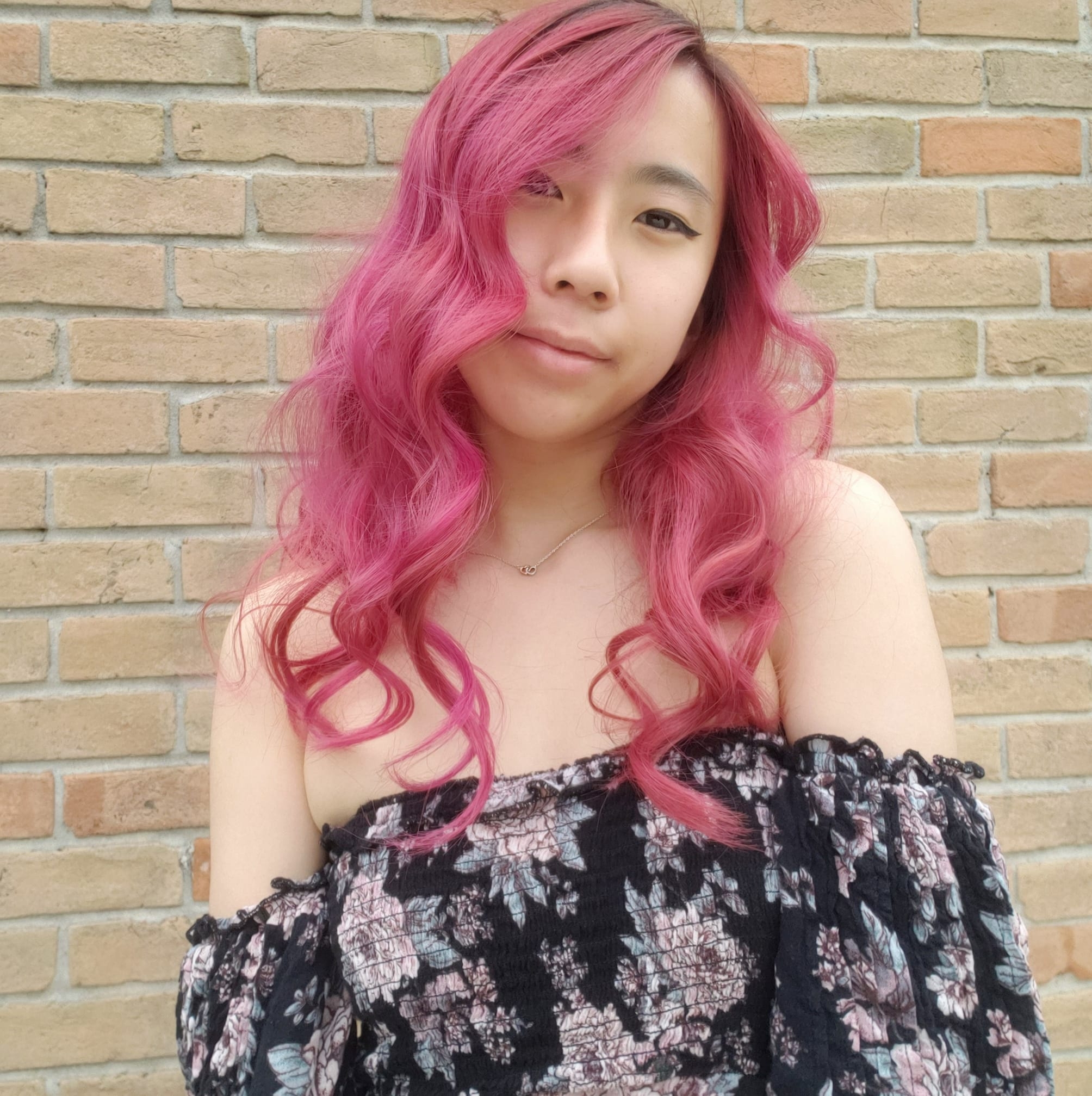
Chelsea Nguyen
I am 21 years old and pursuing a Bachelor’s in Marketing with a computer graphics minor. The most interesting thing about me would either be that I dyed my hair pink, went through Lasik surgery and went from legally blind to 20/20 vision, or that I went to Japan over the summer! Each event was a milestone in my life and will forever be a part of my personal brand!
My emphasis is on the creative aspect of marketing, specifically graphic design. My interest in graphic design started back in high school when I was exploring the different arts. I took fashion design, ceramics, and e-media and loved every experience. I wanted to pursue an art major and continue doing creative work and do ceramics; however, my parents and I had a different perspective on pursuing an art major. So I found a loophole and decided on pursuing a major in Marketing because I researched and saw that they had the most creative freedom in comparison to other careers. After taking marketing classes I enjoyed what I learned, however, I wanted more creativity involved in my career, so I talked to my peers and advisor, and added the computer graphics minor. After taking my first digital media class, I fell in love and knew that this was what I wanted to do in my career. I loved being able to create anything from nothing and I liked how the work varies and is always different. I knew I would be bored with a career that had the same repetitive tasks and I liked the constant challenge of creating works that effectively communicate a message to the audience while also being aesthetically pleasing.
I’ve had the luck of being hired by the University of Houston Campus Recreation and Wellness Center as a graphic designer and applying my skills in a realistic work environment. I get to take all the skills that I learn in my digital media classes and make works that are printed and displayed inside the Rec and around campus. Although I have not been working there for long, I intend to take everything I learn as a graphic designer for the Rec and take it to my future career. I am still learning and my goal for when I graduate is to master every program I need to be a successful graphic designer.
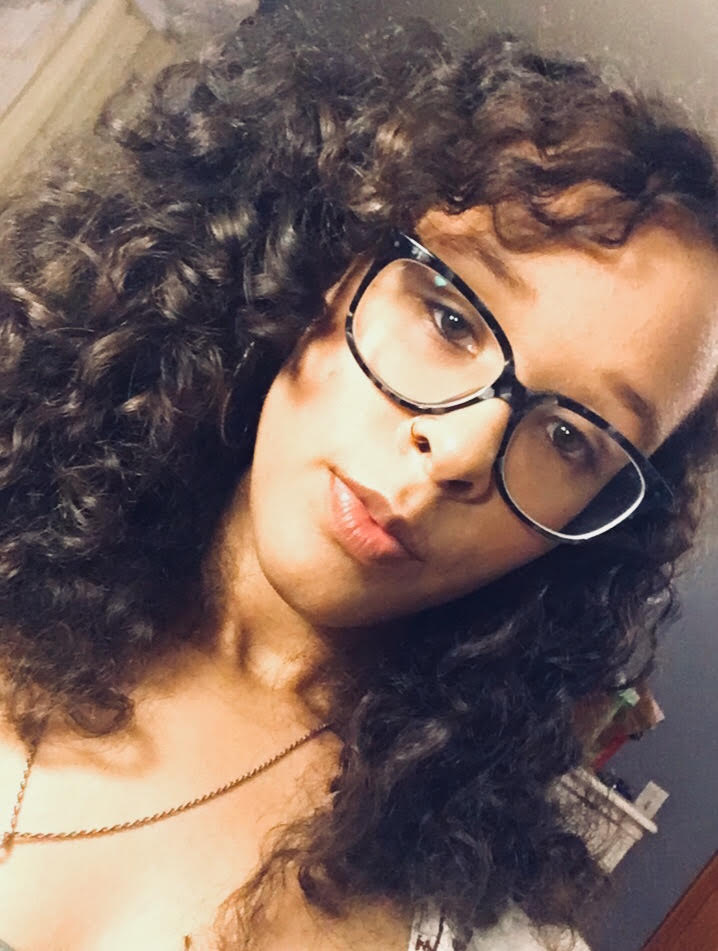
Hello everyone, my name is Jordan Fields. I’m 22 years old and in my junior year of the digital media program with a focus in eMedia. I chose this area of emphasis because it fascinates me and I’m constantly learning something new. More importantly, I wanted to learn the behind the scenes aspect of designing content.
The digital media program teaches a broad range of creative, technical, and social skills. I chose this program because, as we come to rely more on technology, I want to help improve the way society interacts with content. I made the switch to the digital media program because I felt that I would learn the science behind creating. This program incorporates creativity and technology really well and I felt it was something that I would stick with and enjoy learning.
Currently, I work for Industrial Info Resources as a web team and marketing intern. I help make graphics, create social media posts, and do some small front-end development. Being an intern has given me the opportunity to be a part of some interesting and challenging tasks. More importantly, it’s helped me find the area within my program that I want to focus on. Although I’m not sure if I will stick with this company after graduation I’m grateful for everything I’ve learned and continue to learn.
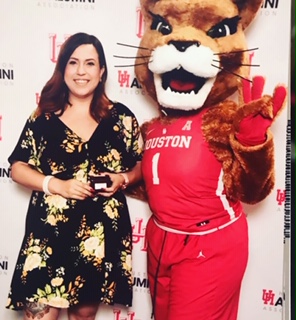
Hello everyone, I’m Tress Marie Landa. I’m 26 years old, from San Antonio, Texas and a senior at the University of Houston. I’m a digital media major with an emphasis in e-commerce. I chose e-commerce because online sales and click and brick or b2b marketplaces are on the rise.
I’ve always had a love of media and being creative whether it be making graphics, content writing, photography, videography or web design. I found that the Digital Media program encompassed most of my interests and I changed my major from communications to digital media in 2016. From that point on I’ve been focused on honing in my web design skills and learning more techniques on building online storefronts.
For the last few years I have worked for a company called iD tech teaching coding, photography and videography at a technology camp for ages 10-15. I worked last summer in Boston at Simmons College and this summer in Houston at Rice University. It has taught me a lot about how to teach a skill and apply it to myself, customer service, interpersonal relationships and patience. Teaching is not necessarily my passion and so I look forward to finding a career more in my field before graduation.
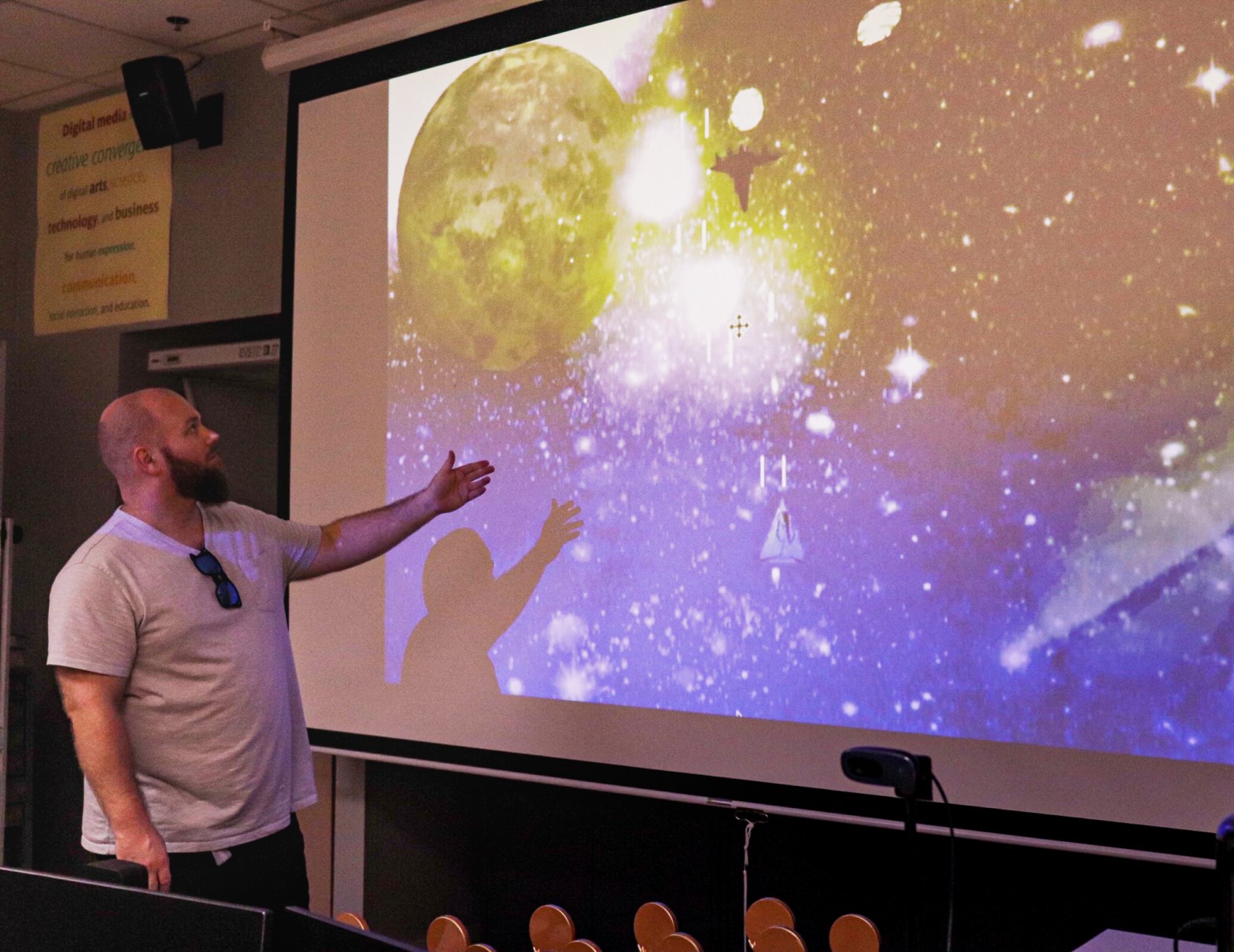
Hello, I am Aaron Lehnen and I run an independent recording studio & production house, The Realm Recordings. I am a 32-year-old Composer & Songwriter, Multi-instrumentalist Musician, & a Producer/Engineer. More recently, I have become a highly decorated and recommended content strategist & designer with extensive experience in transmedia & development. I am receiving a bachelor’s degree in Digital Media with emphasis in Gaming & Simulation and a specific focus on UI/UX development by end of year 2019.
I chose Digital Media and specifically the Gaming emphasis as it is a lifelong interest to me for both the reasons of being one of the fastest growing lucrative industries in the world and also because it encompasses my first love of music composition/sound design.
I have been composing and producing for over 10 years. I also teach drums, bass, guitar, keys and singing. I have released many projects in different genres, such as: Metal, Orchestral, Rock, Pop, Electronic, and Chiptune. Outside of music, I have been developing skills in VR/AR technology, UI/UX, gaming/simulations, animation, graphic design and web design for the last 4 years. I have worked on multiple games during 2018-2019. Solely, I created an award-winning game last Fall.


 digm3357group2