Landing That Desired Job After Graduation

https://pixabay.com/vectors/academia-academic-board-business-1293362/
Finding work after graduation can be extremely daunting, stressful and even scary. Even after completing a program and receiving the relevant degree, many people feel that they are still missing that “certain something” that is keeping them from being a “professional” or “worthwhile candidate” to a company. This all being said, do not fret, these tips will get you prepared and confident enough to apply to that opening you have been eyeing and eventually nail that interview.
Preparation for Application & Interview
https://pixabay.com/photos/cv-flowchart-whiteboard-white-2578872/
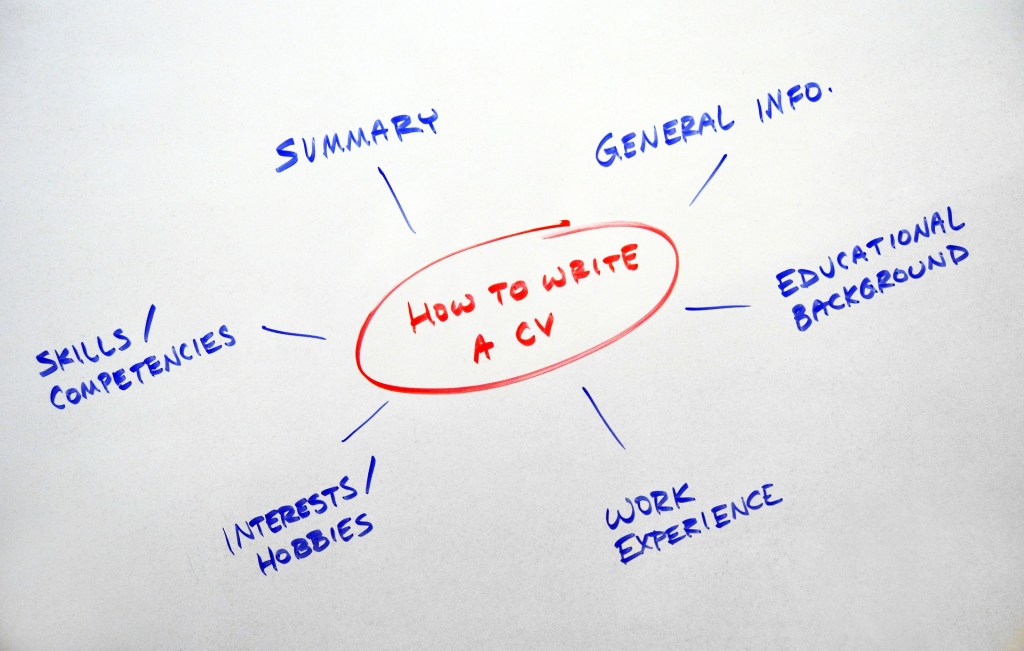
Displaying the information and skills they are looking for –
A great first step would be to do a deep dive into the targeted company’s history, mission/vision statement, and what they are currently working on. This would certainly give you an edge in getting to know what they are looking for in a future employee and be able to frequently reference back to this newly acquired information throughout the entire process – from applying, throughout the interview. Getting to know the people whose desk your application may pass by during the application process, can also benefit you. Knowing exactly what they are looking for may make your application stand out among the hundreds and thousands of the others. Not only will it now stay out of the recycle bin, but now it will stay toward the top of the keeper pile. Making sure to look at the job posting and directly referencing the different skills, experience, and philosophies they value in the application and interview process will guarantee that you make an impression on HR or hiring manager.

https://unsplash.com/photos/OQMZwNd3ThU
How to implement this in the resume and cover letter:
- Tailor them by referencing the required skills in their job posting
- Mention the company by name throughout the cover letter
- Reference shared philosophies in both resume and cover letter when possible
- Highlight relevant employment history
- Illustrate specific situations where you demonstrated fluency of a skill
- Mention the person in charge of hiring by name in the cover letter
https://pixabay.com/illustrations/portfolio-management-business-2428013/
Crafting specific portfolio selections –
Another tip would be to carefully craft a portfolio that demonstrates quality over quantity. In selecting which pieces to showcase, it would be best to explicitly pick entries that are as relevant as possible to the kind of work you are applying for. Only choose the very best work making sure to leave out anything that is just okay or unbecoming of what you are able to do. Whether it is an online or physical portfolio, make sure to make it as easy to navigate as possible by having links to jump to specific areas on online portfolios or having tabs to be able to turn right to the sections for physical portfolios. It is always best to choose a few great pieces than possibly soiling the whole selection by choosing a handful of pieces where a few are not up to par with the others. Those few sour pieces almost always seem to be the ones judged the most and leave the biggest impression despite how many great pieces are interwoven in between. Basically, give them a taste that will make them want to purchase the whole meal.
Nailing the interview

https://pixabay.com/illustrations/man-suit-job-interview-2091865/
Dress and speak like a professional –
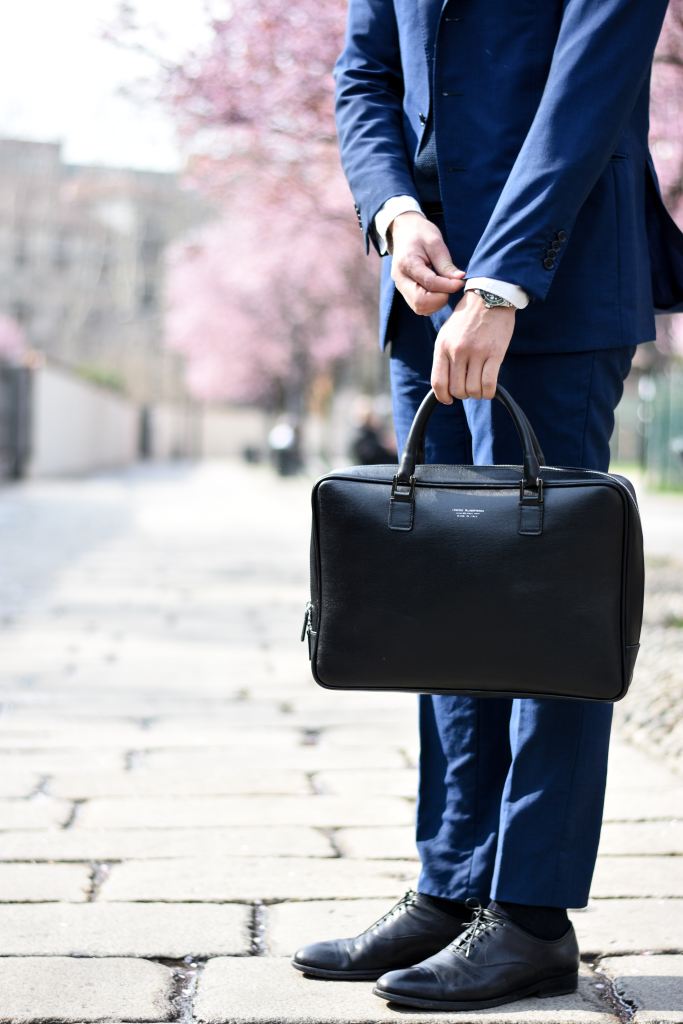
There are sayings like “Dress to impress” or “Dress for the position you want, not the position you currently have,” that illustrate how important appearance is. This is usually the first thing you notice about a person and whether they take care of themselves can drastically alter how your initial judgement to them is. Despite this sounding superficial, it is true none the less and should always be at the forefront of your mind when being seen among your industry peers. Simply put, if you don’t dress like a professional, no one will treat you like one. Moving beyond your appearance, make sure you are well versed in hospitality when it comes to how you enter the office all the way up to sitting down for the interview. Speaking, walking, standing, sitting, and even the way you are looking at people can all be indicators of whether people will like and take to you favorably.
https://unsplash.com/photos/jdTtkmr1axk
Practice these good manners:
- Maintain good eye contact
- Smile often
- Be courteous
- Sit and stand with good posture
- Keep greetings polite, professional, and concise
- Open any doors for others when in an immediate vicinity
- Always address people by their preferred titles, using Sir/Ma’am when applicable

https://pixabay.com/illustrations/handshake-regard-cooperate-connect-2009195/
Materials to bring into Interview –
Beyond bringing in your beautiful and carefully crafted portfolio, there are several other documents you will want to have during your interview. Having a few extra resumes on hand at the interview can certainly be helpful if for some reason they were unable to pull yours up ahead of time or if there are multiple people who have not seen it yet. Another document to have present at the interview is a list of questions. These questions can be about the job, the company, scheduling, benefits, tasks, etc. This shows your interest in the job and the company as well as demonstrate a sense of professionalism and self-worth.
In Summary
https://unsplash.com/photos/oqStl2L5oxI
Now, when you see that job that you would love but feel you may not be ready, just go through these different tips and you will be properly prepared to nail each part of the application process. In short, display the information they are desiring from their next employee and prove that you are the perfect fit through your cover letter and resume, as well as the proper portfolio entries that demonstrate the skill and competence they require. When you do get the interview, dress to impress and present yourself with grace, confidence and eloquence.
 digm3357group2